
It’s easy to get swept up in the world of design inspiration. Between Instagram reels, renovation shows, and endless “shop the look” posts, it’s tempting to start clicking add to cart the moment you fall in love with a lamp, a rug, or the latest design trend.

But here’s the truth: decorating without a plan, buying one piece at a time, almost always leads to regret or a room that doesn’t feel quite right. This doesn’t mean you can’t ever buy one piece on a whim or on holidays (we all do that!). It means purchasing with intention and an eye on the bigger, interior design goals.
Random purchases without an overall vision can leave the space feeling disconnected and unfinished or cluttered. If this sentiment feels familiar, you’re not alone. It’s why I often get called in for my advice. So, here’s why decorating without a plan almost always costs more in time and money and how designers avoid it.
Common Decorating Mistakes When Working Without a Plan
Many people buy in a rush or on impulse, and the results can be both frustrating and expensive. Buying furniture online is a common interior design mistake. Items can feel and look completely different online and need to be very functional in “real life”.
Common mistakes I see include:
Rugs that are too small for the space
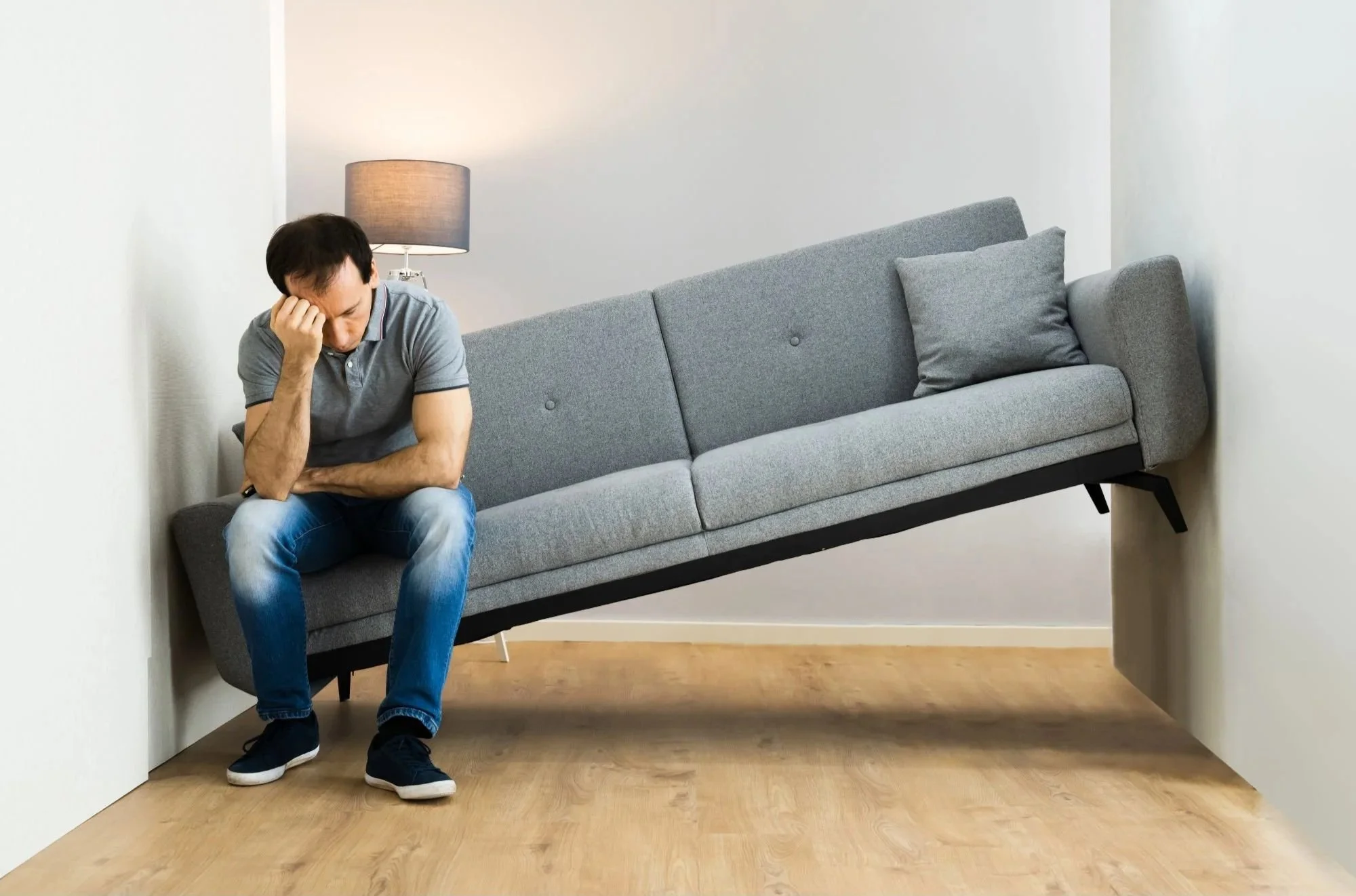
Sofas that are oversized (and sometimes don’t fit through doors or lifts)
Coffee tables that sit too low or are too oversized for the room
Cushions that are too small, with poor-quality inserts and generic fabrics
Furniture that looks perfect online but feels completely wrong in real life
Trend-led accessories that date quickly and end up looking like clutter
Why Planning Furniture and Finishes Together Matters in Interior Design
As a professional interior designer, I rarely select furniture or finishes in isolation. Every element from the sofa and rug to the lighting and artwork is considered in the overall scheme. Scale, proportion, function, flow, and overall mood are all considered part of a bigger picture.
Before sourcing anything, I step back and look at the home holistically. I take time to understand:
How you live in the space day to day
Your lifestyle, family dynamics, pets, and how the home needs to perform
Your budget, priorities, and where it makes sense to invest versus save
How you want the home to feel, not just how you want it to look
The colours, textures, and materials you’re naturally drawn to and those that don’t resonate
How rooms connect visually and flow from one to the next
Longevity - choosing pieces that will still feel right in five or ten years
These questions and answers are the basis of my research and interior design planning. If you’re not a designer and this feels overwhelming, reach out for help!
If you want to try it yourself, this analysis will start to lead you to a broader idea of how your home could function and look. It will also inform your every decision, from new flooring to the smaller, decorative details. My Holland Park project is a great example of how I worked closely with clients to create a home truly reflective of them.
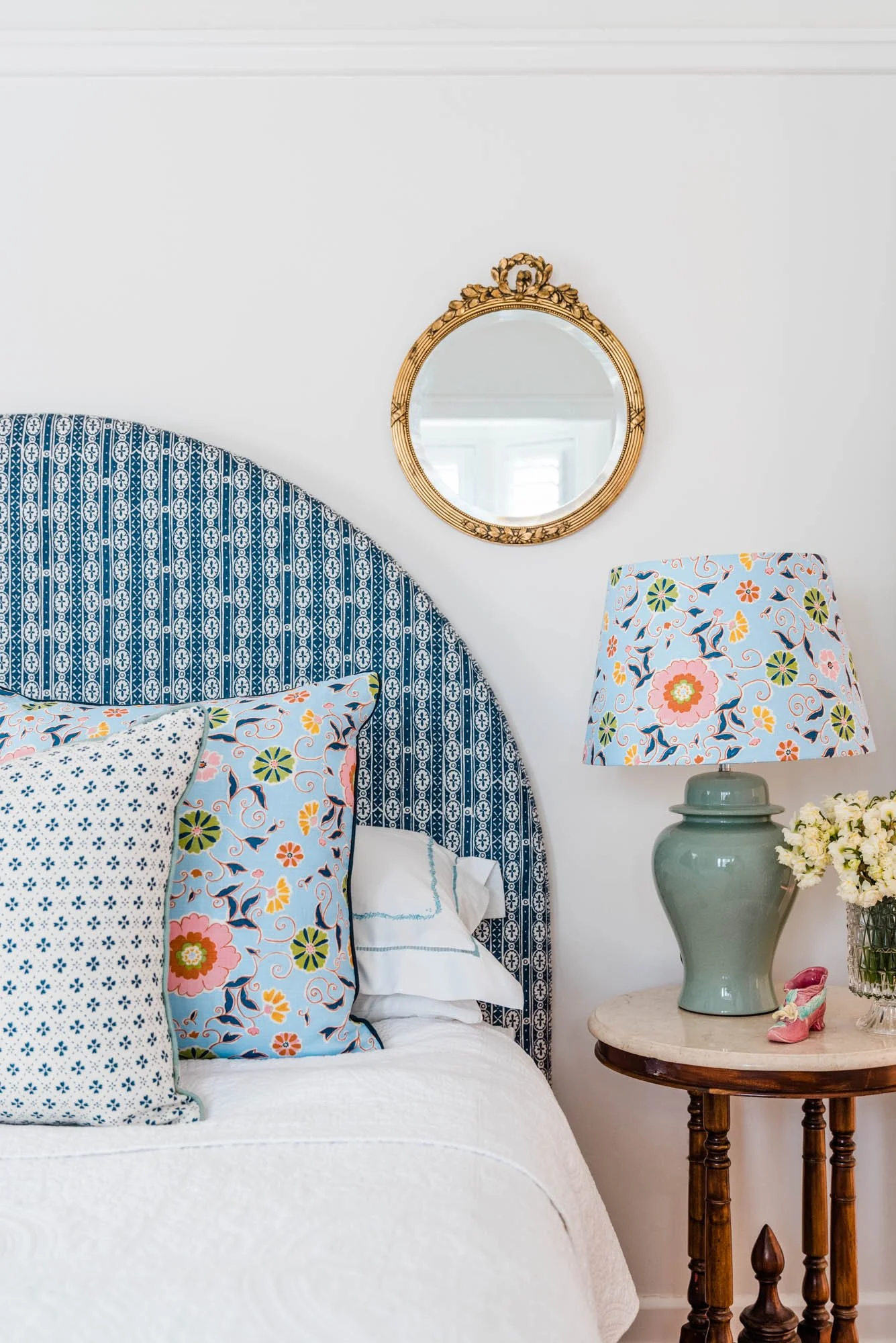
For this bedroom we included my client’s collected and vintage pieces in her bedroom and combined these with custom furnishings to create a home that reflected her personality and love of vintage finds. Photograph: Hannah Puechmarin
Ever Wondered What Goes Into a Professional Interior Design Plan?
Once the concept is in place, the real work begins. As a designer, I source from trusted suppliers and workrooms , not just what’s trending on Instagram, and consider every detail:
• The quality and longevity of materials to save you money and headaches
• Comfort and durability, not just aesthetics
• Custom sizing and finishes that fit the space perfectly
• Coordination with trades: cabinetmakers, upholsterers and electricians
• Fabric durability, rug composition, and lighting quality
I then create a materials board showing how everything works together: fabrics, finishes, paint colours, lighting, and fittings, before anything is purchased. Only once every detail is approved do we move forward with procurement, delivery, and installation. This ensures you achieve a cohesive home design that feels functional, beautiful, and timeless from day one.
This process prevents costly mistakes and ensures you can love your home and everything in it for much longer.
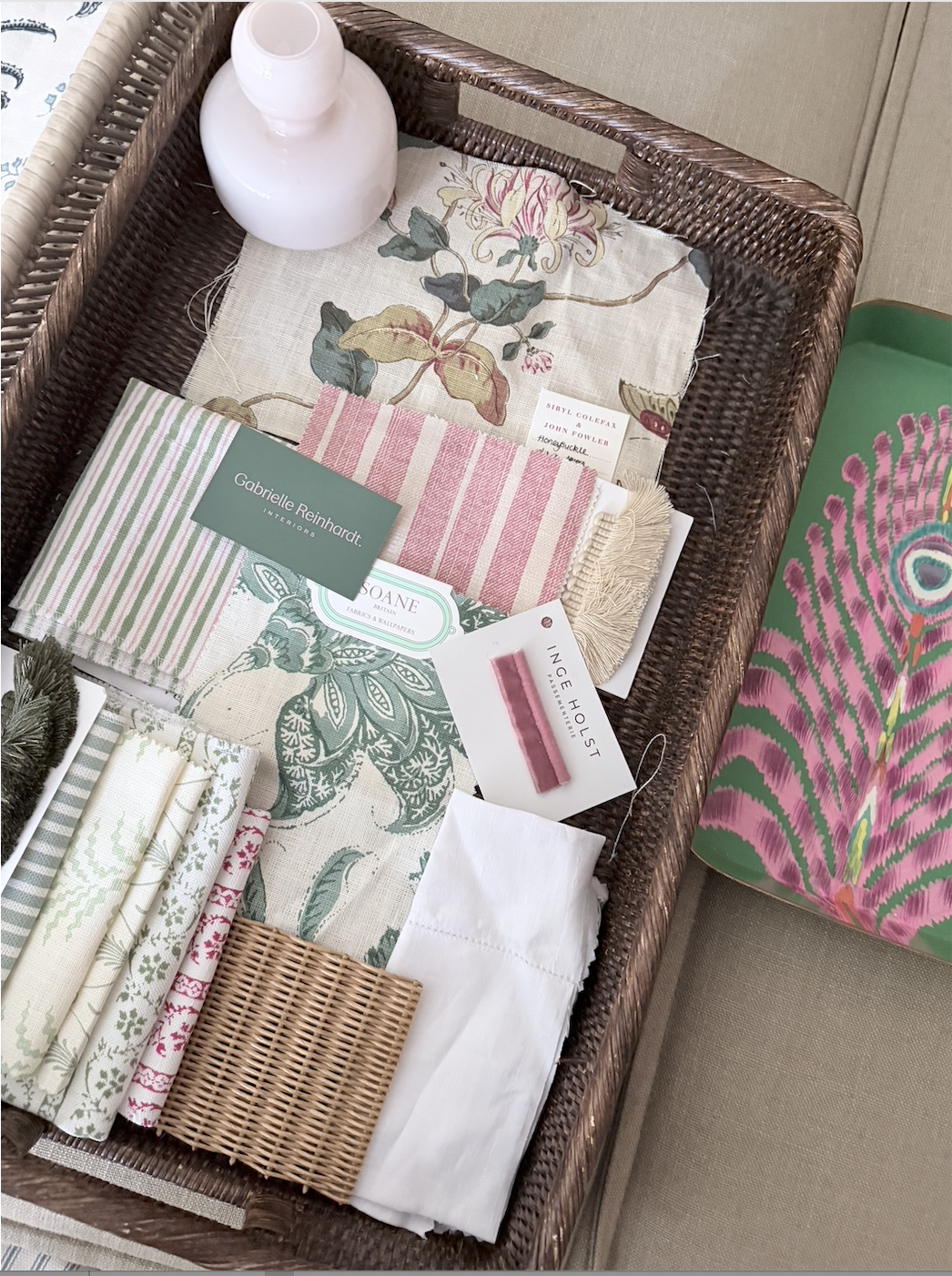
Plan First before purchasing
A materials board for an upcoming project showing how everything works together: colours, fabrics, finishes, trims, materials, and fittings, before anything is purchased.
The Result? A Home That Works and Lasts
This level of planning, detail, and creativity is what turns a collection of nice pieces into a designed home. It’s how we avoid costly mistakes and create spaces that not only look incredible but also function beautifully for your lifestyle. A home designed with intention isn’t just pretty. It’s personal, practical, and comfortable.
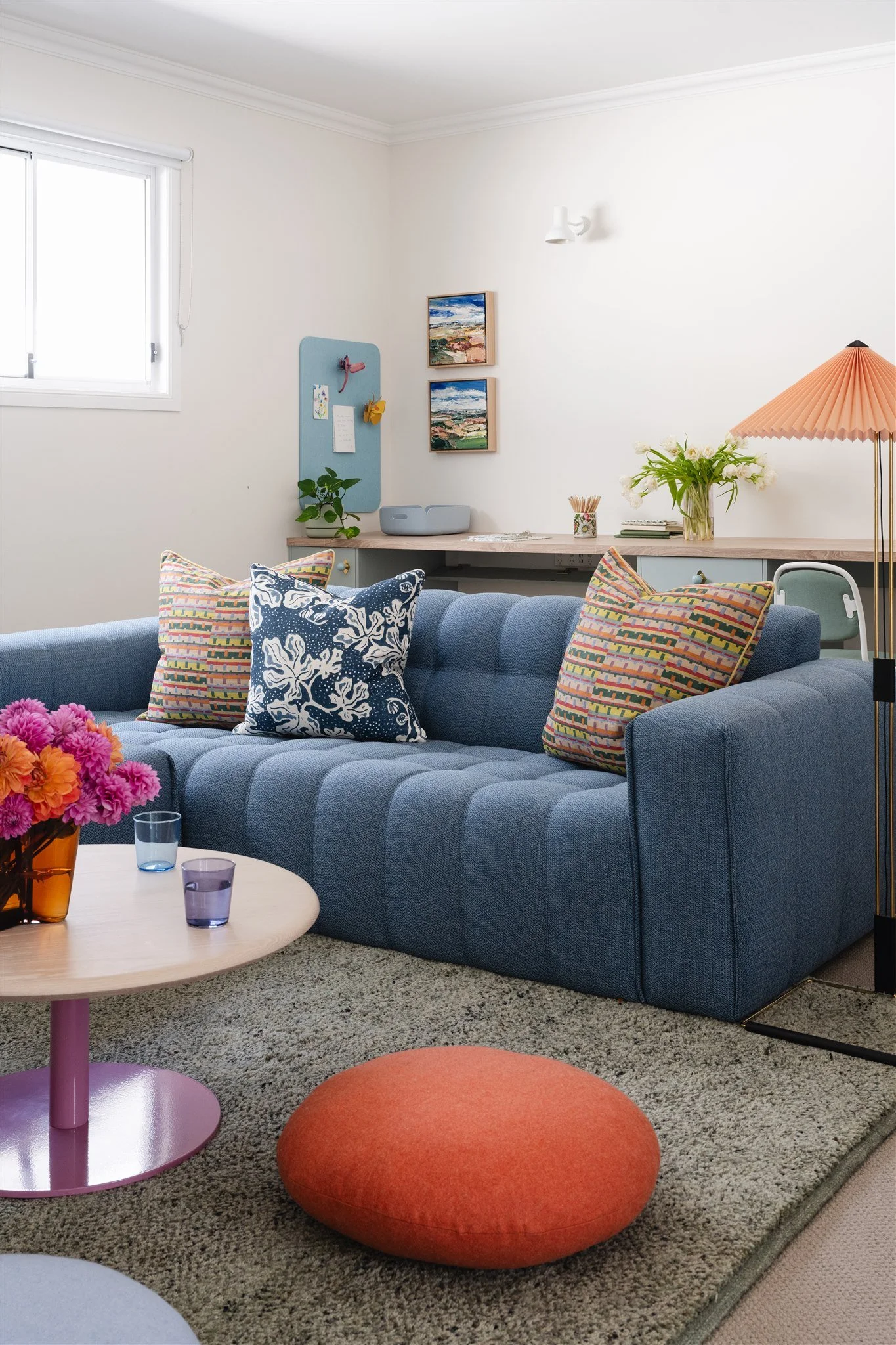
For our Grange project we worked with the client to turn this empty upstairs area into a family room, a work from home office and a study space for their young boys. Every item was carefully considered in an overall concept plan before anything was purchased. And as you can see they love colour so I made sure colour was embraced in a considered way. Photograph: Hannah Puechmarin
Once the spaces are installed, I encourage my clients to layer in pieces collected from travels, holidays or the discovery of a new designer store. Always with guidance and intention, rather than on a whim.
Those personal additions are what bring warmth, meaning and personality to a home, without tipping it into clutter.
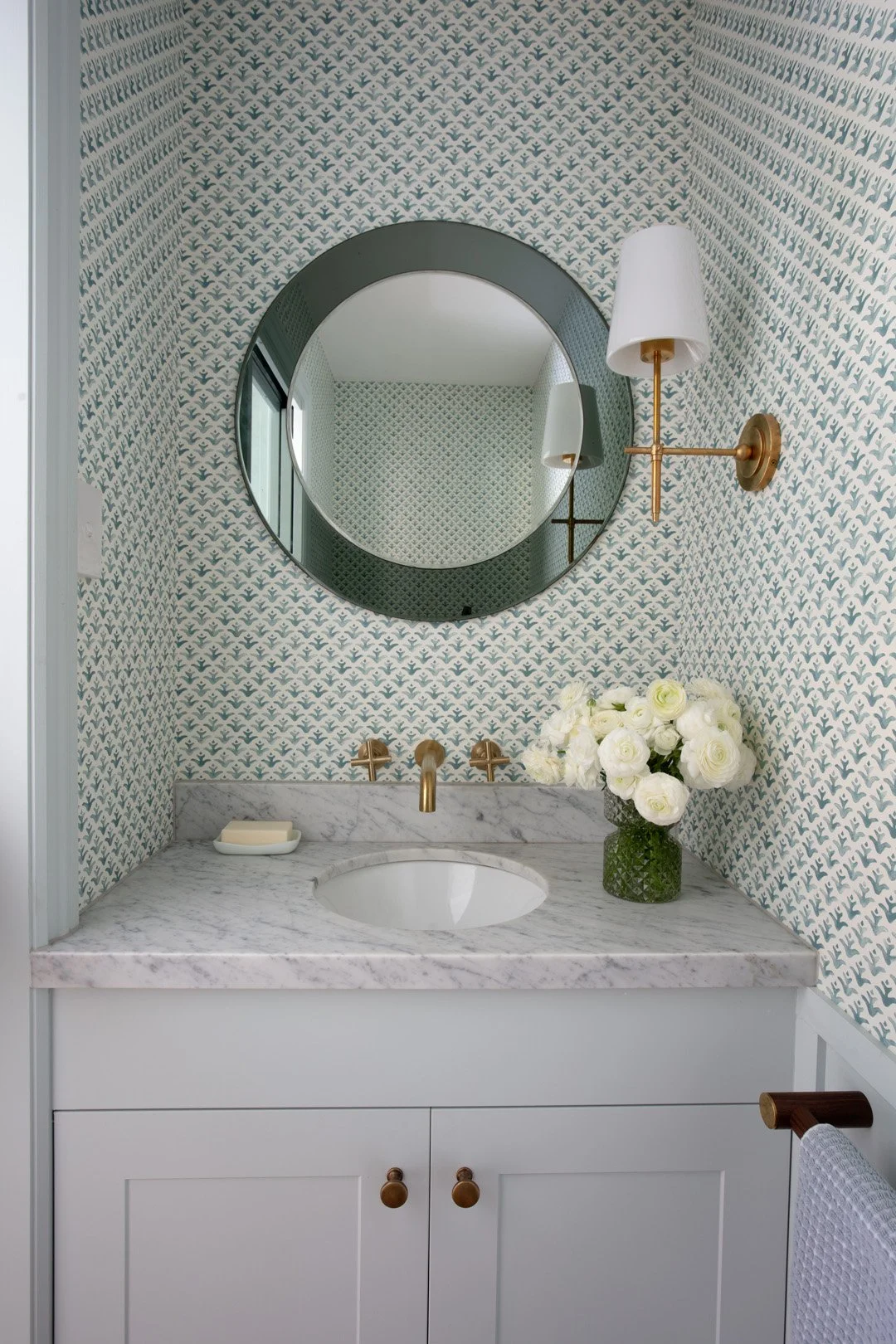
This vintage Italian glass mirror in the powder room of our Coorparoo project was chosen by our clients after a lot of research and carefully considering the overall feel of the space. Photograph: John Downes
5 Questions to Ask Yourself Before Hitting “buy”
There are a few questions you could ask yourself to ensure your impulse purchase will have a place in your home.
1. Can you visualise it somewhere at home? Think about whether it will physically fit in your home too!
2. Will you still love it in 5 years? Or will it become landfill before you know it?
3. Is the item trending? High-trend pieces will date quickly, and it’s worth considering what will become of it when you’re bored or tired of the piece
4. Does it align with your style? Will it clash or be harmonious with everything else? My Personal Style Workbook is a good place to start
5. Think big picture. Are you moving? Renovating? Will it still work then?
So, before you hit “buy now,” take a breath and make a plan, or better yet, know you’re not alone and let a designer help you create one.
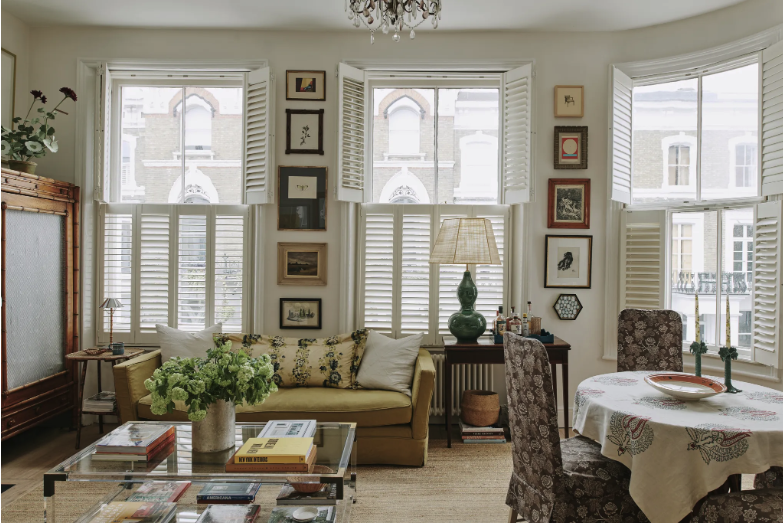
UK Interior designer Sally Wilkinson’s one bedroom flat in Chelsea in London is a lovely mix of vintage and bespoke, drawing from different European styles and design approaches combined with a calming colour palette and comfortable furnishings. This is a perfect example of a space designed with thought and planning but also with personality. Photograph: Christopher Horwood / Source: Uk House and Garden magazine
How I Can Help You Create a Cohesive Home in Brisbane and Beyond.
Art of Home Interior Decoration - full-service design for one room or an entire house. Kitchen renovations, bathroom design, decorating a bedroom or your whole home.
Design Clarity Call - perfect if you’d like to do it yourself but need guidance (or you’re halfway through and stuck)
Home Review - an in-person session to refine your space and set a clear direction
Let’s turn your ideas into a home that feels layered, timeless and reflects your personality.
I’m a Brisbane interior designer but have completed many successful projects outside the city, state and country.
